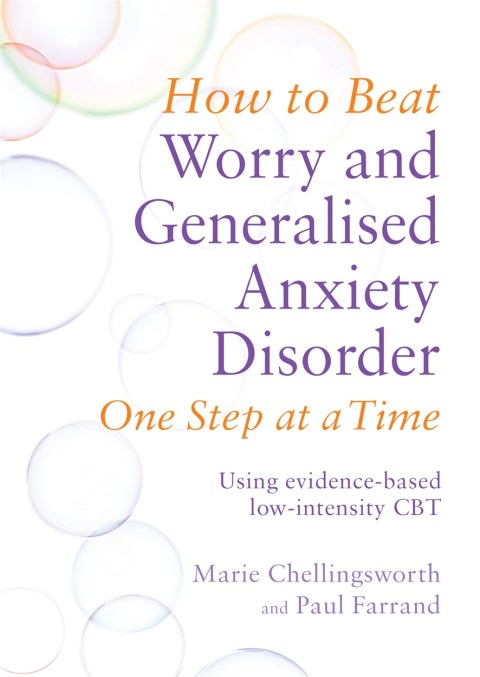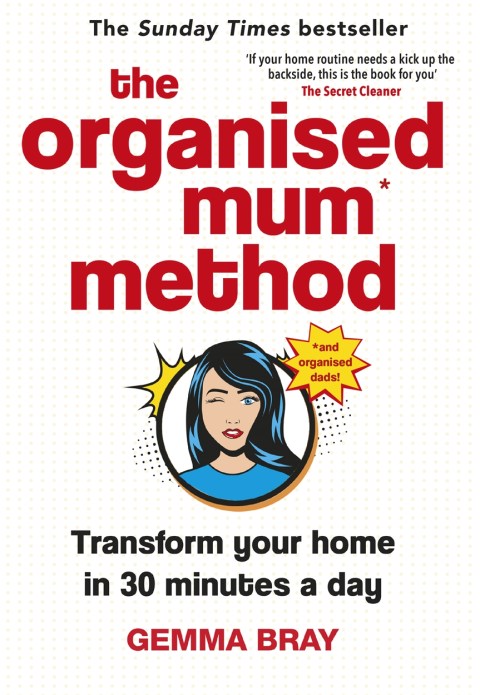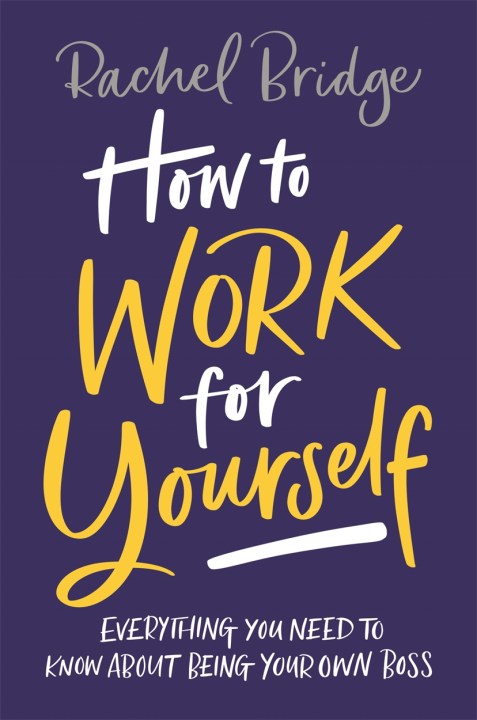









How To is the new home of The Improvement Zone, here to inspire you to make positive changes in your life, whether you’re looking to advance your career, improve your relationships, impress your friends with a delicious meal, boost your business or your bank balance, revitalise your health or develop your mind. Whatever goals you have in mind, this is the place for you.
We have updated our Privacy Policy Please take a moment to review it. By continuing to use this site, you agree to the terms of our updated Privacy Policy.
Welcome to How To
LATEST READS

How to make the ultimate Christmas cake

A tart fit for summer: Rainbow carrot & beetroot tart

How to save – and grow – your money

How to Quell Your Fears About Relocating

How to avoid burnout with intermittent fasting

How to make a showstopping gluten-free, dairy-free chocolate cake

How to make a delicious hot cross bun loaf