





Custom Search
Tips for Writing Children's Books
- Remember, as award winner Jill Paton Walsh said, 'Only the very best writing that we can produce is good enough for children.'
- When American children's author Robert Cormier was asked how he learned his craft he said, ' Reading, reading, reading! Reading is the most important thing I do besides writing.'
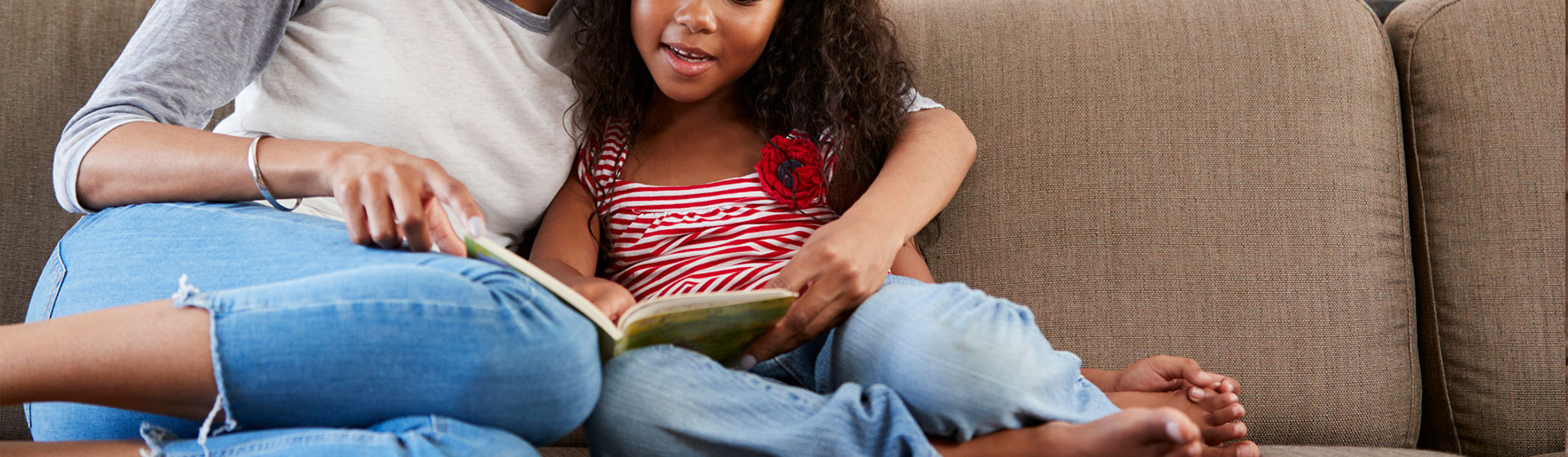
- Read children's books out loud. This way you will discover that children's stories, especially those for the younger age groups, are best when they are rhythmical. Reading your own work out loud will show you when you have used an infelicitous word or phrase.
- Make time to write. 'I'm going to write a book when I have the time', is something many people say. But if you really want to write, you will make time.
- Thinking time is as important as writing time. American writer Grace Paley said, 'When I'm writing a story, I'm really writing all the time, wholly involved in it. When I'm not writing I'm still thinking.' Next time you are doing a mechanical job like ironing, cleaning the car, washing the dishes or weeding the garden, use the time constructively, thinking about your story.
- Listen to the slang children use. As mentioned before, the vogue words for 'good' and 'bad' change almost from year to year. Old slang dates a book.
- Collect nuggets of information on subjects that interest you - you never know when you will want to use them in a book.
It is important to remember how you felt when you were a child. Although many things were different then - the types of schools, the sweets we ate, family rituals - the feelings and emotions of children do not change. It is useful to write accounts of your childhood and what you did and thought at different ages. As you begin to describe the house you lived in when you were five, all sorts of things you had forgotten will emerge from your memory. This is a treasury you can call upon when you are writing.