



Body Language & Interview Techniques
Body language is a huge subject upon which many books have been written. Unfortunately, they can sometimes give you conflicting advice, while studying body language in depth can mean you spend all your time studying other people's mannerisms instead of concentrating on your own! You need to have enough information to allow you to focus on performing at your best at interview. Knowing the basics of body language can increase your performance at interview greatly. Being able to control your own body language makes it easier for you to relate to interviewers, and to make a good impression. It can also make you appear more confident, more honest, and more in tune with the interviewer.
But there is one other advantage of knowing about body language - it helps you control your nerves, if you suffer from nervousness. Concentrating on your physical actions will take your attention away from negative thought processes and feeling nervous, and make you focus instead on what you are actually doing. This can reduce your nervousness significantly.
The Golden Rule
The golden rule with body language is to match your interviewer's body language. Like attracts like.
Match verbal with non-verbal behaviours
- Use non-verbal behaviour - ie, body language, to reinforce and back up what you are saying verbally.
- Try never to use body language that gives a different message from your verbal message, such as saying 'Yes' and shaking your head at the same time, or a more common example, saying 'No' and nodding.
- The trick is to always match non-verbal messages with verbal messages - so you should always nod when you agree, shake your head when you are disagreeing, etc.
Positive body language
All these actions, on the other hand, will enable you to establish a good rapport with interviewer:
- good eye contact
- leaning forward slightly in your chair
- tilting your head whilst maintaining eye contact with your interviewer
- open-lipped smiling
- open hands with palms visible
- unbuttoning your coat or jacket upon being seated
- keeping your chin up
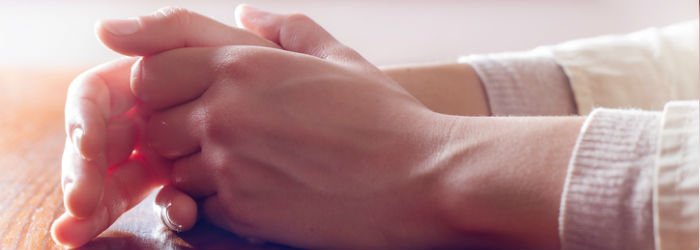
- putting tips of fingers of one hand against the tips of fingers of other hand in the 'praying' or 'steepling' position
- having your hands joined behind back your when standing.