







Portuguese Culture
Custom Search

A Guide to Portuguese Culture

Portugal, as a country with a long history full of influences from external peoples, is home to magnificent architectural structures (from prehistory onwards), as well as superb art, furniture and literary collections mirroring and chronicling the events that shaped the country and its peoples. The Portuguese are swift to tell you where their museums and church buildings are, proud of their heritage. They will more often than not offer to escort you round such places and their enthusiasm can be difficult to refuse.

There are many diverse cultural activities in which the Portuguese participate, indulging their appreciation of art, music, drama and dance. Many towns have a museum and a collection of fascinating monuments and buildings. Many places have at least a cinema (which is very cheap in Portugal), some venues to listen to music and locations to see arts and crafts. In the larger cities visits to the theatre, concerts or galleries of modern exhibitions are popular, and Portugal can boast not only international-scale venues in Lisbon and Oporto, but also many acclaimed artistes from various disciplines. The importance of the arts is finely illustrated by the fact that on the death of Amalia Rodrigues, the Queen of Fado (Portugal 's national music) in October 1999, three days of national mourning was declared! In 1998 Jose Saramago, one of Portugal 's well-known writers, was awarded the Nobel Prize for Literature. In 2001 Oporto was European City of Culture, contributing to a current renaissance in artistic creation, and in 2004 Portugal hosted the European football finals in specially constructed stadia.

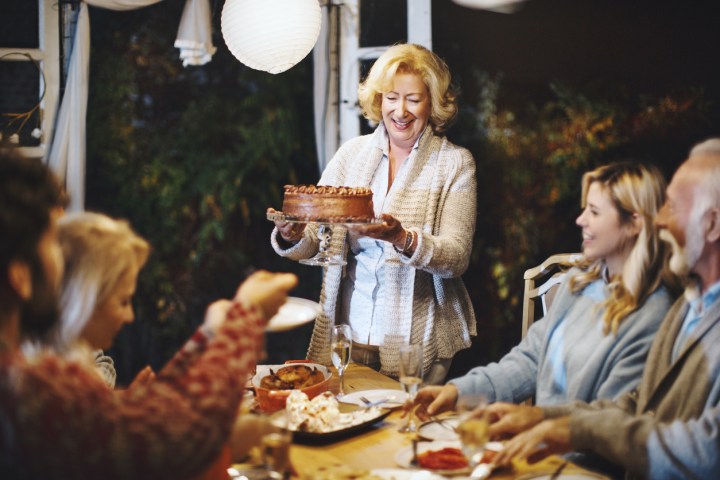
In smaller towns and villages cultural activity may revolve around local folklore, with musical groups performing traditional dance and song. There are still some bull-rings in Portugal, although the passion for this is not as widespread as in neighbouring Spain. Sunny Sunday afternoons can often be enjoyed listening to bands in the town parks or squares. The Portuguese enjoy gatherings of family and friends, and often an evening out may centre around a good meal in a restaurant. When Portuguese people do go out it's never a rushed affair. Whole families, often with three or four generations, take their time enjoying the food and company, and often afterwards take a stroll around the square. Young children are often included in these evening sorties. Entertaining is usually out rather than at home, unlike some Northern European trends. Perhaps that is down to the clement weather (most of the time), or possibly the fact that the Portuguese love to be out and about greeting their friends and colleague.


view basket | your account | request catalogue