






Living in Brazil
Custom Search

Living & Working in Brazil

Brazilians are a tough, physically brave, cheerful, friendly, resilient people, with a different attitude towards time and time-keeping than most people in the European and North American world. Although this aspect of their national psyche can, at first, cause frustration with a time-conscious European or North American immigrant or tourist, try to remember that it is probably, at least partly, caused by the weather and the beauty of the country creating a very laid-back approach to life.

The climate is superbly varied from equatorial rainforest, in the north, through tropical and sub-tropical regions, to the temperate regions in the south. This all makes for a wide range of flora and fauna in coastal regions, mountains and plains. In the less tropical areas, the seasons can be quite marked and this means that, overall, virtually anything can be grown in Brazil.

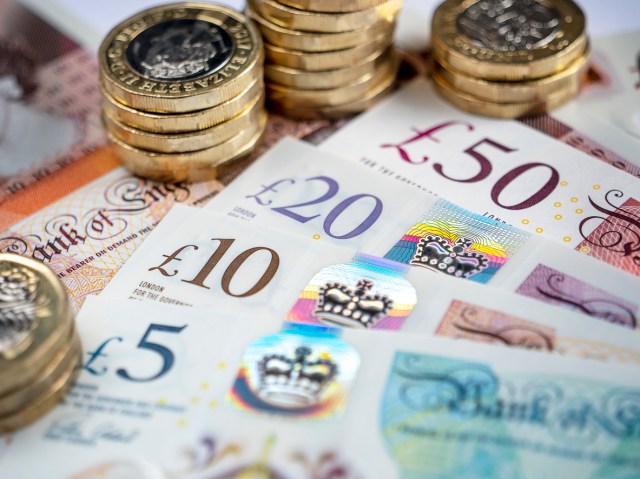
The economy is healthy and word is out that, while the USA and the UK (hard on its heels) are entering recession, Brazil's economy is booming and the exchange rate is swiftly turning in Brazil's favour. Two years ago, there were well over R$2 for US$1; now it is around R$1.57, with rumours that Brazil wants to drive the rate down to parity with the US$. There were, not so long ago, R$5 to GB£1 but now it is closer to R$3.5.This derives from the fact that the Brazilian economy is not closely linked with the economy of the USA or Europe, as well as the fact that Brazil has vast natural resources of oil, wood, metals, gems, and renewable fuels deriving from sugar cane, which the whole world needs.

House prices are generally between one tenth and one twentieth of American and European prices. Houses are solidly built. When you need repairs and you call a tradesman out he will arrive (in due course; although often with a promptness which makes one wonder about other lapses in observances of time-keeping) and make an inspection. If parts are needed for a pump or plumbing, he will give you a choice of materials. By the sea, always opt for plastic as metal corrodes in the salt air. He will go straight away to buy the parts and complete the job; there is seldom any question of waiting a fortnight for parts to arrive.

If your car won't start, call a mechanic (there are plenty to choose from) and he will come to the roadside or your house and either fix the problem or take the car away. All the artisan trades are alive and kicking: metal-workers, carpenters, plumbers, builders, decorators and the suppliers who rely upon them. If you need some bespoke iron railings - they will come and measure, quote, go away and make them and return to fix them. If you want to replace your internal doors with solid Brazilian hardwood doors, they will be made to your requirements very quickly and skilfully and fixed, for the equivalent of about US$100 each: that is bespoke doors, made from wood that is not available anywhere else, for about a twentieth of the cost that it would be in the USA or the UK if the materials were even available there.

If you want fresh fruit, free range eggs, fresh fish and good meat, it is all there; sometimes, the farmers themselves sell it at weekly markets or on roadside barrows. There are no quotas, food mountains, and no waste or shortage and the small farmer will never have heard of GM food production. Needless to say, food often comes in a plain paper bag and there is neither the frustration of battling with excessive cellophane packaging or the waste in its use. Recycling is common - for plastics, glass and paper - and there are many traders who call to ask whether you have any of these things to discard. The rubbish collectors often pass twice a day. If you need free minor treatment at a health centre it is right there. Often there are free hospitals too. Communications and means of transport are excellent, both in and out of Brazil with flights to most major cities.

Be very aware that, as a foreigner, even one with a right of permanent residency, you are, and will be seen as, a guest in Brazil (unless you get to the stage of actually acquiring citizenship, together with perfect Brazilian Portuguese). In Brazil, as in many places, for that matter, some of the locals might harbour resentment towards outsiders coming in and buying property which they could never afford. It is possible to reach an acceptable degree of acceptance and, plainly, any foreigners who give work and spend money in the local community will be received quite well. It also helps to show a cheerful, friendly face, to break any ice.

Do not forget that you need to keep a close eye on deals that you enter into: shop around for everything and do not be shy about asserting your right to the 10% a vista - discount for ready cash. Be especially aware that, if a Brazilian introduces you to a shop or a tradesman, he will probably be getting a 10% commission, which will be added to your bill (it seldom comes out of the trader's profit).This is all seen as perfectly normal and if you really let your guard down and allow a builder to buy materials, there is a good chance that, if you do not keep your finger on the pulse and monitor costs, in comparison with other shops, he will have your a vista and the commission: so you could end up paying 20% over the odds.

And the builder (if he is especially cheeky) might also charge you for his petrol to bring the over-priced goods to your house! Don't show tool sheds stocked with power tools to workmen - who sometimes don't even have their own hand tools. If you get into an argument over an employee, find someone - an educated Brazilian friend - to help, because Brazilian employment rights are, as already described, quite strong enough, without the exaggerations in the figure work that can creep into dismissal claim forms.

After a while, you will find that you get to know the good local tradesmen who do not try to take advantage, especially when they know that you are educated in the local ways and prices. Then, of course, you do not need to rely on introductions from anyone else.

Also remember that Brazilian bureaucracy can involve much technicality and long waiting periods and, during periods of national holiday, such as Carnaval, the religious festivals, Republic Day and Independence Day, nothing gets done. Be careful that you are properly advised in relation to all the formal applications which you make; make sure that you file your tax returns if you become a permanent resident, and make sure that the annual local taxes on your house are paid (the prefeitura do not always send a bill). If you don't pay an electricity bill on time, you might get one reminder at most and then they just come and cut you off at the electricity pole in the street.

Keep your gates, house and car locked, because opportunistic theft there is, outside the big cities, far more frequent than actual robbery. Wherever you are, don't overdress or wear too much jewellery - and keep away from obviously dangerous areas such as favellas.


view basket | your account | request catalogue