







Real Estate in Australia
Property values have fluctuated markedly in Australia since the 1970s - rising, falling then zooming upwards again. Riding the real estate rollercoaster is usually a safe enough bet, however, since most properties more than hold their own against the inflation rate over a few years, and some lucky people can make a fortune if buying and selling in the right place, at the right time.
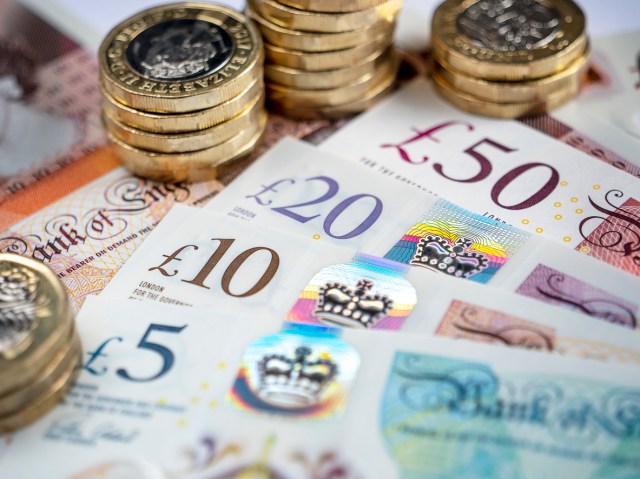
If coming from a country with a good exchange rate in comparison to the Australian dollar, purchasing a home in Australia is one of the most attractive prospects of the move. However, if you must borrow money to buy a home, it is not possible to raise a full mortgage unless you are a high income earner who can show the lender a stack of assets to cover your housing loan.
In addition to the agreed price of your new home, you should budget for a solicitor's fee (which depends on how complicated the transaction is) and stamp duty , which is a tax paid by the purchaser to some state governments. In the case of first home buyers, some states will waive all or part of the duty and in Queensland there is no stamp duty at all while in NSW it applies to more expensive properties and investment properties.
Aussie Housing - From Humpies to High-rise
There are a multitude of architectural styles adapted to Australian conditions - from the aboriginal 'humpy' or 'lean to' which are very practical timber or corrugated iron constructions to constructions of glass, timber, marble and concrete which are the last word in contemporary styling. Difficult sloping building sites are common in the beautiful coastal suburbs where most people live, and these are usually dealt with by terraced apartments or multi-level houses. In tropical areas or those subject to flooding, houses are usually raised on stilts, or constructed with storage and garaging below and the living quarters above.
City and Suburban Housing
In real estate terms, the choice in city and suburban housing is generally between an established property - one that is already completed and previously inhabited - and project or estate homes bought from the drawing board for new suburban developments. In inner city areas, terraces or townhouses comprising one or more stories and attached to other such buildings are common, as are home units, also known as apartments or flats. Undercover parking or garage areas are important features of Australia's sprawling suburban streetscapes, especially on the coast, where there is a danger of the salty sea air rusting the metal. Sea air also damages any external metallic features of a house or flat. Ugly rusty smears or flaking paintwork from metal balcony railings are, like the Hills clothes hoist and barbie out the back, part of the seaside streetscape.